
The Critical Role of Roof Inspections in Home Assessments
When considering a home inspection, many homeowners focus on the interior aspects of their property, such as plumbing, electrical systems, and appliances. However, one critical area that deserves significant attention is the roof. A thorough roof inspection is essential as it serves as the first line of defense against the elements, protecting the integrity of the entire home. Over time, roofs can experience wear and tear due to exposure to harsh weather conditions, which may lead to leaks, structural damage, or even mold growth if not addressed promptly. By incorporating roof inspections from this link into the home inspection process, homeowners can gain valuable insights into the condition of their roof and avoid costly repairs down the line.
During a roof inspection, a qualified inspector will assess various components, including shingles, flashing, gutters, and ventilation systems. This comprehensive evaluation helps identify any existing issues and potential risks that could compromise the roof's functionality. A roof that is not properly maintained may harbor hidden problems that can escalate if left unchecked.
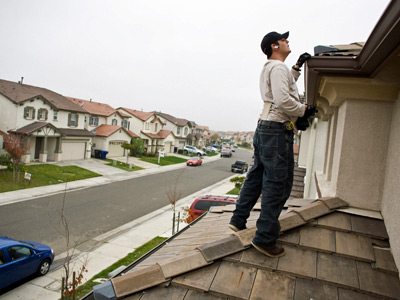
For instance, water leaks can lead to extensive damage not only to the roof itself but also to the ceilings, walls, and even the foundation of the home. By addressing these issues early through a roof inspection, homeowners can safeguard their investment and ensure a safe living environment.
Moreover, a roof inspection can provide peace of mind, especially for prospective buyers. Knowing the condition of the roof can influence a buyer's decision, as a new roof might be a significant selling point, while an aging one could be a red flag. For sellers, having a roof inspection report can streamline the selling process, providing transparency and building trust with potential buyers. Ultimately, incorporating roof inspections into home inspections is an indispensable step that enhances the overall assessment of a property's condition. By prioritizing this crucial aspect, homeowners can make informed decisions and ensure that their homes remain safe and structurally sound for years to come.