
Strategies for Successful Antibody Optimization in Research
Finding the optimal working dilution ratio for antibodies is a critical step in ensuring the success of immunoassays, such as Western blots, ELISAs, and immunohistochemistry. The right dilution can significantly enhance the specificity and sensitivity of the assay, leading to clearer results and more reliable data. Antibodies, being proteins themselves, can vary widely in their concentration and affinity for their targets, which makes it essential to determine the dilution that will provide the best performance. Overly concentrated antibodies can lead to high background noise and non-specific binding, while dilutions that are too weak may not provide adequate signal detection. Thus, careful optimization is key to achieving reproducible and meaningful results. Check out Boster Bio and what they offer!
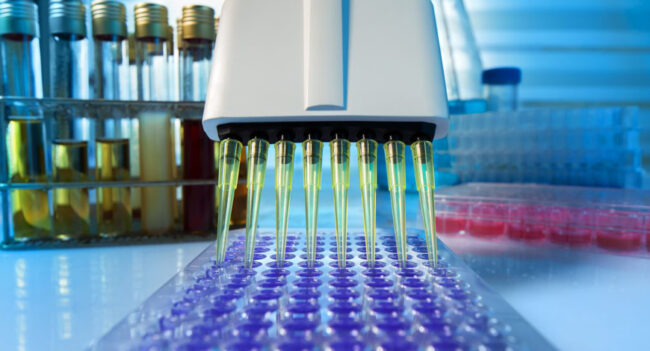
The process of optimizing antibody dilution involves systematic experimentation and careful observation. Researchers typically begin by testing a range of dilutions, often starting with the manufacturer’s recommended dilution as a baseline. Subsequent dilutions are prepared, and the performance of each is assessed based on criteria such as signal intensity, background noise, and the clarity of the results.
Each assay presents unique challenges, and factors such as the nature of the sample, the specific target antigen, and the detection method can all influence the ideal dilution. As such, it is not uncommon for researchers to iterate through multiple rounds of testing to hone in on the most effective dilution ratio.
Another important consideration in optimizing antibody dilution is the use of appropriate controls. Including both positive and negative controls in the assay helps to validate the results and confirms that the chosen dilution is yielding the expected performance. This careful approach helps mitigate the risk of false positives or negatives, which can arise from improper dilution. Ultimately, achieving the optimal antibody dilution enhances the overall reliability of the assay, paving the way for more accurate data and meaningful conclusions. By diligently optimizing this crucial variable, researchers can improve the quality of their work and contribute to advancements in scientific knowledge and healthcare.